Staff Report
July 7, 2025
Russia has become the first country in the world to officially recognise the Taliban government in Afghanistan, a decision that could reshape regional dynamics across South and Central Asia.
Moscow announced the move after Russian President Vladimir Putin approved a recommendation from the foreign ministry. Soon after, Afghan diplomatic staff in Moscow raised the flag of the Islamic Emirate of Afghanistan above their embassy.
While some have criticized Russia for extending legitimacy to a movement that once fought the pro-Soviet government, others see the decision as a calculated attempt to expand Russia’s influence in a volatile region and to open new channels of economic cooperation.

This recognition also underscores a broader reality: for many regional powers, practical engagement with the Taliban has already been underway, even without formal diplomatic acknowledgement.
A Decade-Long Trajectory
Since the Taliban’s return to power in 2021 after the withdrawal of US and NATO forces, most governments have withheld formal recognition, citing concerns over severe restrictions on women’s rights, press freedom, and inclusive governance.
However, Russia had steadily laid the groundwork for this decision. Moscow was among the first to strike commercial deals with Kabul, including agreements to supply fuel, gas, and wheat. In April, Russian authorities removed the Taliban from their list of banned terrorist organisations.
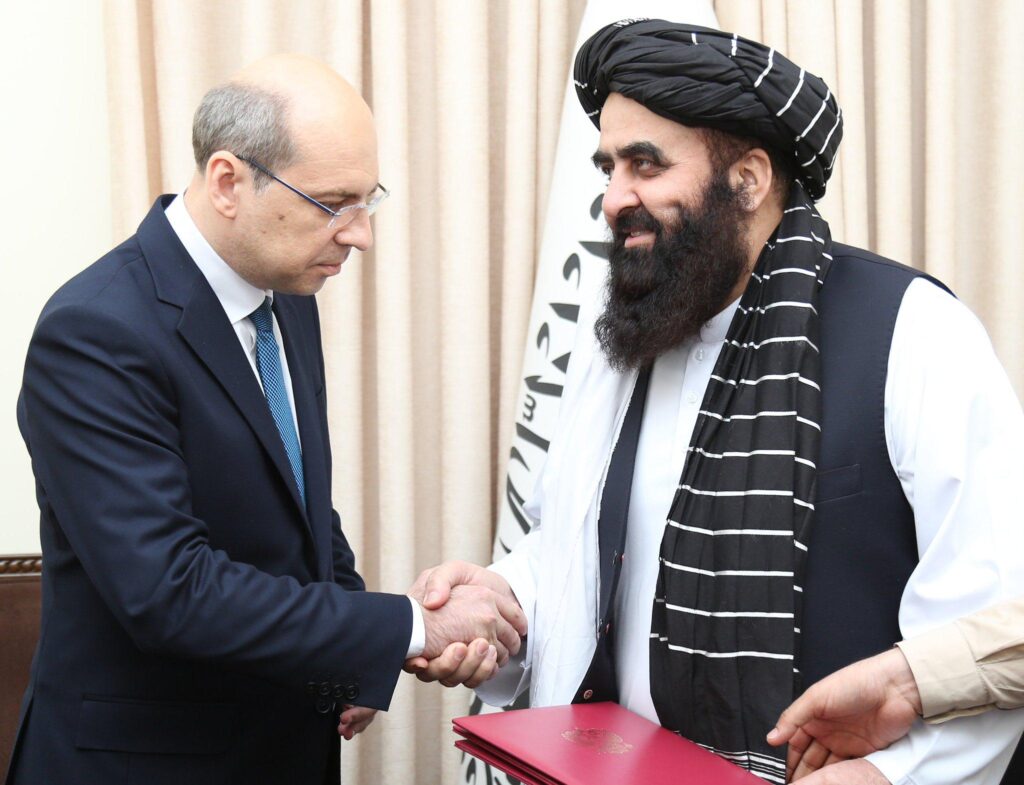
Over the past several years, Taliban delegations have repeatedly visited Moscow, reflecting the Kremlin’s intent to normalise ties.
Implications for Pakistan, China, and the Region
Analysts suggest that Russia’s recognition could set a precedent that encourages other countries, particularly in the Middle East and Central Asia, to re-evaluate their policies toward Kabul.
While Pakistan and China have not formally recognised the Taliban as Afghanistan’s legitimate government, both countries have effectively engaged at an ambassadorial level and maintained regular diplomatic contact. For some observers, this amounts to de facto recognition in all but name.
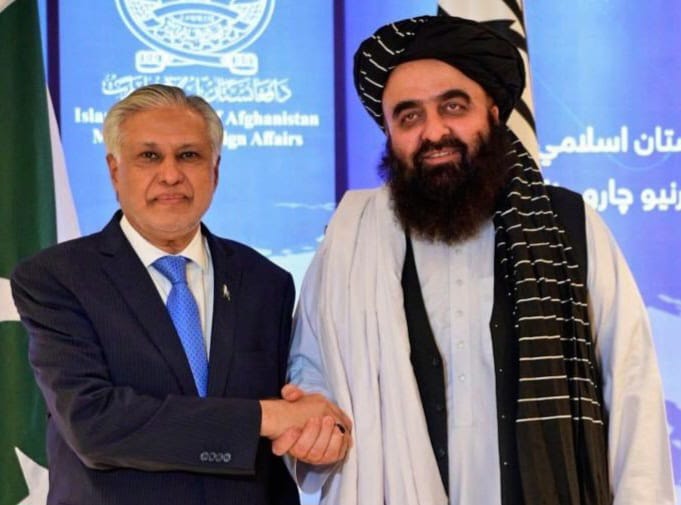
Regional governments face two principal challenges emanating from Afghanistan: cross-border militancy and narcotics smuggling. Experts argue that sustained engagement with the Taliban, whether recognised or not, is likely the only path toward containing such threats.
Even so, there is widespread scepticism that external actors can compel the Taliban to sever ties with jihadist groups such as al-Qaeda or Tehrik-i-Taliban Pakistan (TTP). Past diplomatic efforts by neighbouring states have yielded few tangible guarantees on these security issues.
The Calculations Behind Moscow’s Move
Some analysts believe Russia’s decision reflects its desire to counter Western influence in Afghanistan while compensating for diplomatic setbacks elsewhere, such as the protracted war in Ukraine and friction with Western allies in the Middle East.
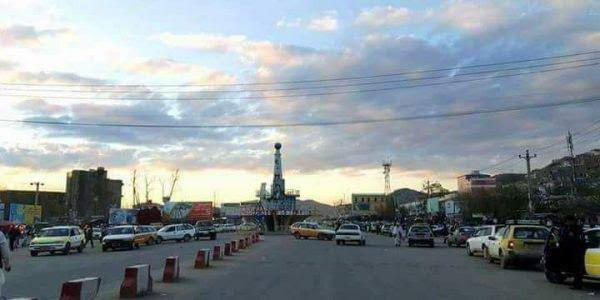
The recognition could also open opportunities for Russia to secure new economic footholds, expand trade routes, and project itself as a decisive regional power broker.
Yet there is also an awareness that recognition alone is unlikely to alter the Taliban’s core ideological positions. Observers note that the Taliban leadership continues to draw on ties with militant networks that once fought NATO forces, and which are now suspected of targeting neighbouring countries, particularly Pakistan.
For some, this strategy, which leverages non-state armed groups without formally acknowledging them, remains a potent tool for Kabul to extract concessions while preserving its autonomy.
A New Template for Engagement
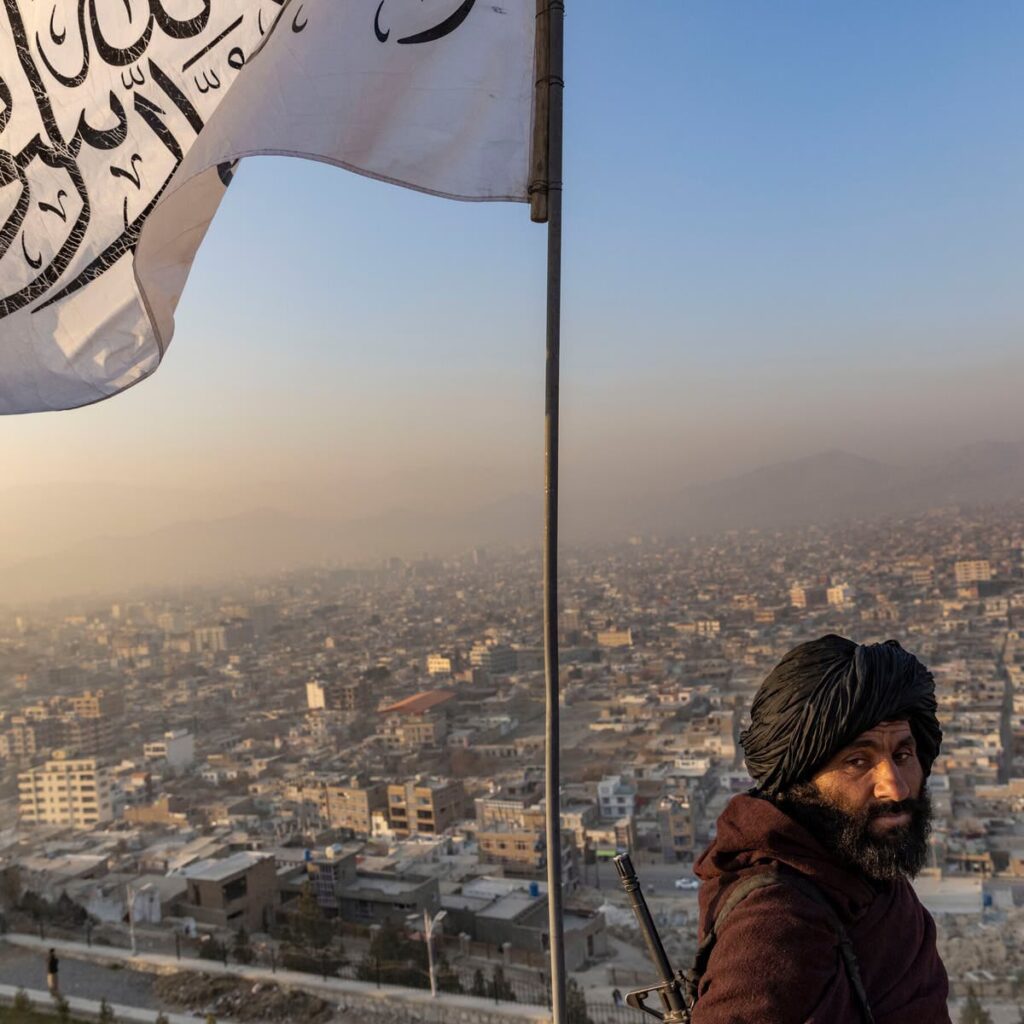
Russia’s move may encourage other states to normalise relations with the Taliban, but it does not necessarily translate into immediate material support.
Sanctions imposed by the United Nations on Taliban leaders remain in place, preventing most countries from providing financial or military assistance. Western governments continue to criticise the Taliban’s refusal to allow girls’ secondary education and their suppression of dissent.
Nevertheless, the Kremlin’s recognition introduces a new diplomatic reality: a major power has concluded that isolating the Taliban is counterproductive.
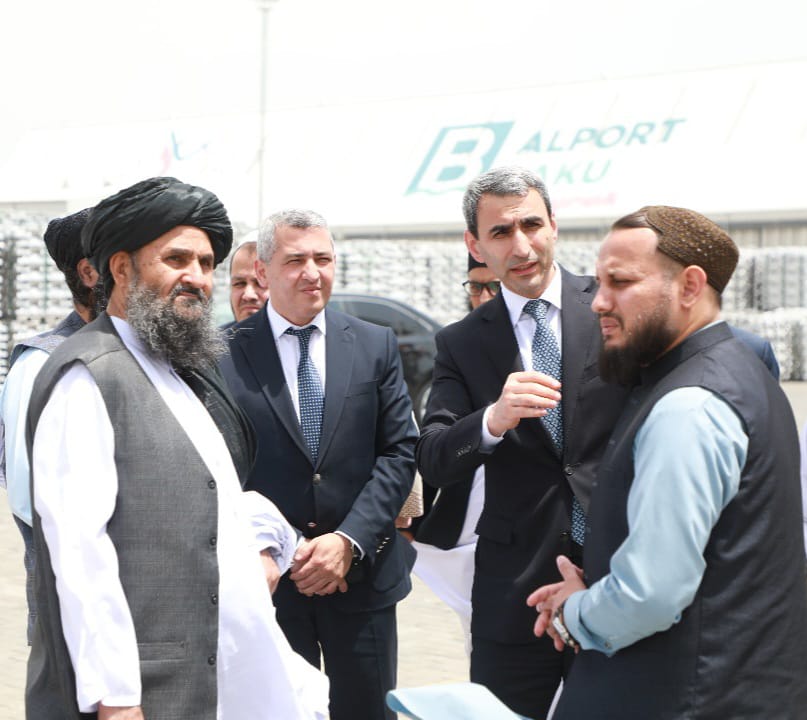
This creates both an opportunity and a risk for Afghanistan’s neighbours. On one hand, regional cooperation, ranging from intelligence-sharing to counter-narcotics initiatives, could become more structured. On the other hand, reliance on a regime that still embraces armed proxies poses dangers that many countries, especially Pakistan and Iran, understand all too well.
Analysts warn that proxy groups often serve strategic objectives only for a time, before pursuing their agendas and destabilising the very governments that once tacitly supported them.

Looking Ahead
While Russia’s decision will not end the international debate over recognition, it underscores that engagement with the Taliban is no longer a taboo subject in global diplomacy.
For Afghanistan’s neighbours, the message is clear: prolonged isolation has failed to change the Taliban’s conduct, and more countries are likely to explore some form of accommodation, whether through formal recognition or expanded diplomatic engagement.
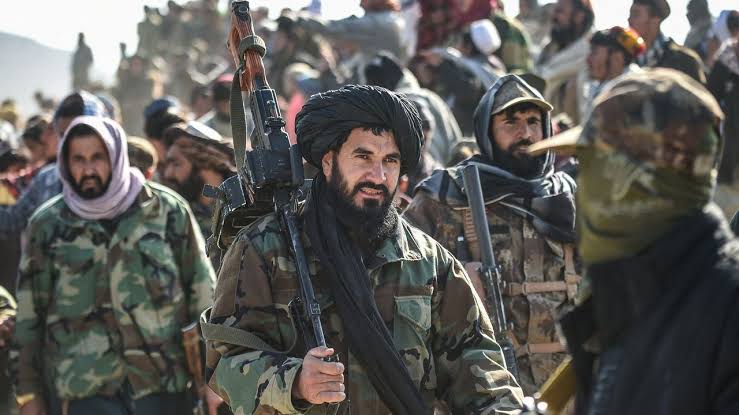
Yet, as observers point out, such moves are unlikely to yield swift solutions to the security and humanitarian challenges that continue to spill over Afghanistan’s borders.
In this evolving landscape, the balance between pragmatism and principle will define how far and how fast other nations follow Russia’s lead. (ST)