Foreign minister calls enrichment a matter of ‘national pride’ but signals openness to diplomacy
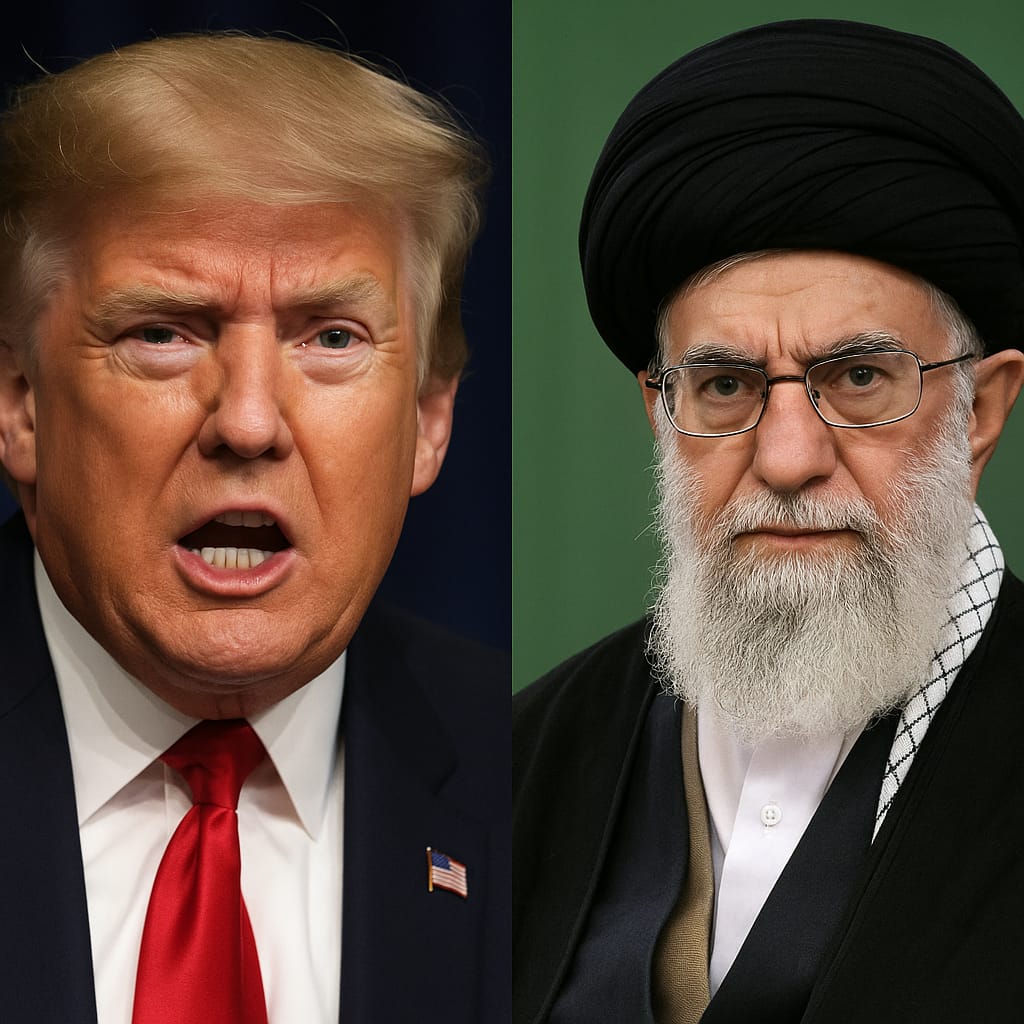
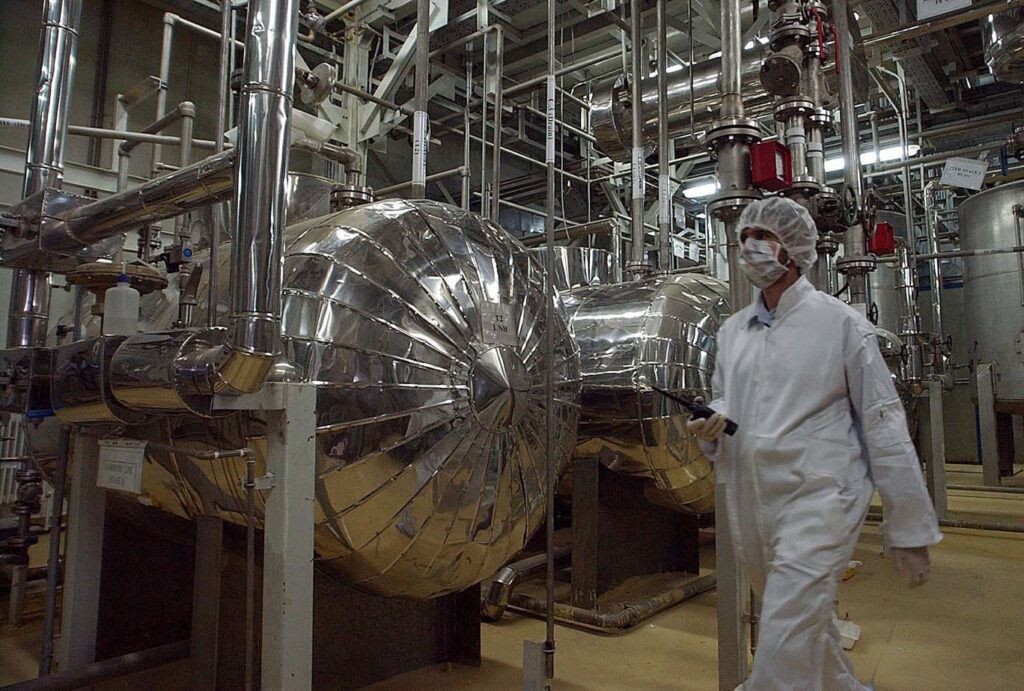
Tehran, Iran: Iran’s Foreign Minister Abbas Araghchi has declared that Tehran will continue its uranium enrichment programme, describing it as an issue of “national pride”, despite sustaining what he called “serious and severe” damage from coordinated Israeli and US airstrikes on nuclear and military facilities last month.
In a 16-minute interview with US broadcaster Fox News, Araghchi said that while the programme is temporarily halted due to the strikes, Iran has no intention of abandoning its nuclear efforts.
“It is now stopped because, yes, damages are serious and severe,” Araghchi said. “But obviously, we cannot give up our enrichment because it is an achievement of our scientists, and now, more than that, it is a question of national pride.”
The comments mark Tehran’s clearest statement yet that the attacks have not succeeded in permanently derailing its nuclear capabilities.
Attacks Kill Hundreds, Set Back Programme — But Not Permanently
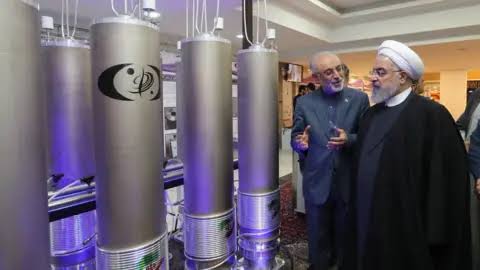
The remarks come weeks after Israeli forces launched a series of surprise bombings across Iran on June 13, targeting nuclear and military facilities in what was described by Israel as a pre-emptive strike to prevent a “secret nuclear weapon programme.” The United States later confirmed its involvement, saying its operations had set back Iran’s nuclear timeline by “one to two years.”
Iranian officials say more than 900 people were killed in the attacks, while 28 Israelis were killed in retaliatory strikes before a ceasefire was brokered on June 24.
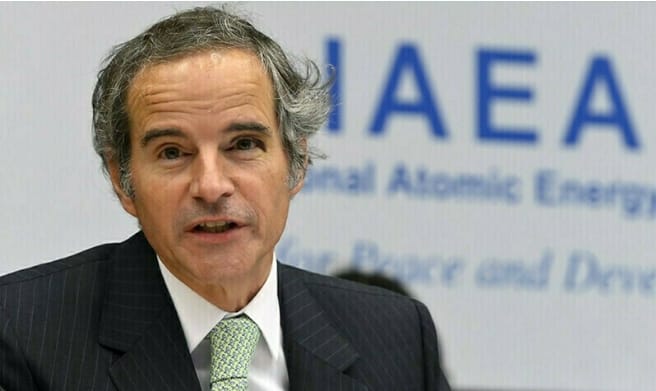
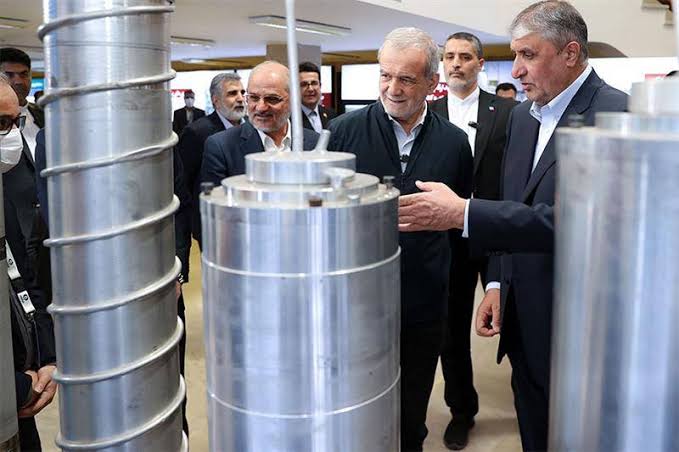
Despite the extensive damage, Araghchi said Iran’s Atomic Energy Organisation is actively assessing the state of enriched material and will soon report its findings to the International Atomic Energy Agency (IAEA).
Nuclear Talks Not Ruled Out
While doubling down on Iran’s right to enrichment, Araghchi also expressed conditional openness to diplomacy, saying Iran would engage in confidence-building measures if sanctions are lifted.
“We are ready to do any confidence-building measure needed to prove that Iran’s nuclear programme is peaceful and would remain peaceful forever,” Araghchi said. “And in return, we expect them to lift their sanctions.”
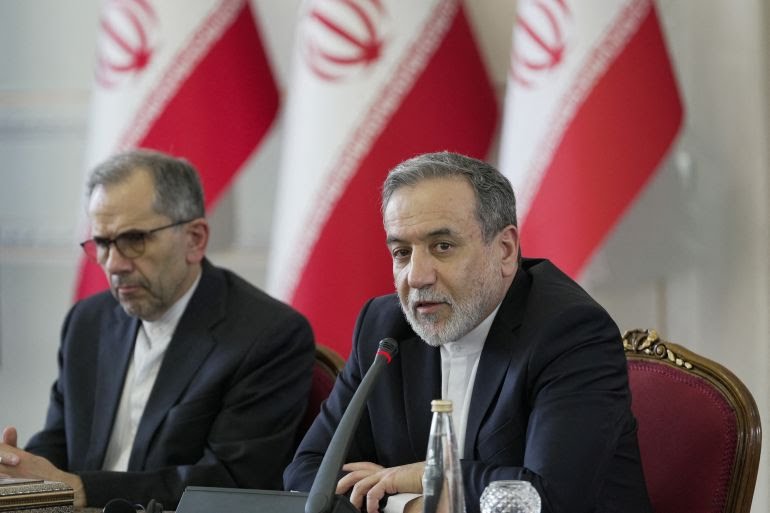
Although he ruled out direct talks with the US “for the time being,” he signalled a willingness to engage in indirect negotiations and urged Washington to return to the negotiating table.
“There is a negotiated solution for our nuclear programme. We have done it once in the past. We are ready to do it once again,” he added, referring to the Joint Comprehensive Plan of Action (JCPOA) signed in 2015.
Fallout with IAEA and Western Powers
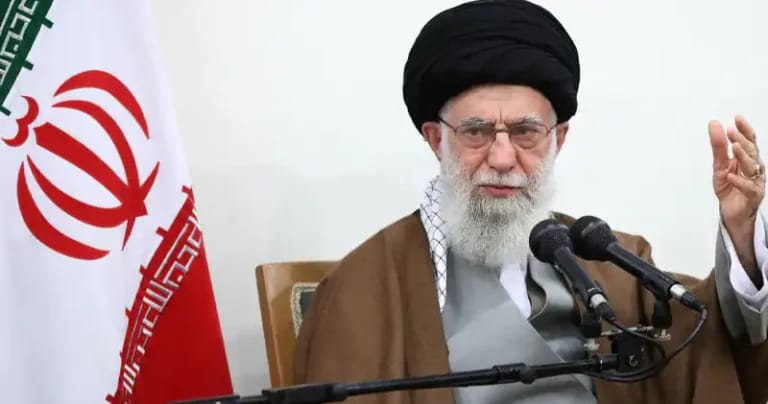
Tensions between Tehran and the IAEA have spiked in recent weeks, especially after the UN watchdog passed a resolution on June 12 accusing Iran of failing to comply with its nuclear obligations. Iranian officials say the resolution served as a pretext for Israel’s attacks the next day.
In response, Iranian President Masoud Pezeshkian signed a law suspending Iran’s cooperation with the IAEA, leading to the departure of inspectors from the country. Still, Araghchi insisted that Iran has not entirely severed ties with the agency and that inspection requests would be “carefully considered.”
Europe Pushes Diplomacy as Iran Holds Its Line
Meanwhile, the UN has welcomed upcoming diplomatic engagement between Iran and European signatories of the JCPOA, namely France, Germany, and the United Kingdom, with talks scheduled later this week in Turkiye.
European powers have warned that Iran’s continued refusal to resume full negotiations may lead to the snapback of international sanctions. But Tehran appears to be banking on its strategic patience and regional leverage to withstand the pressure.
As Western and regional powers weigh their next move, Iran’s stance is clear: the enrichment programme will survive, and Tehran sees it not merely as a technical capacity, but a symbol of sovereignty. ST