As Gaza bleeds, America’s bastion of free speech punishes those who speak out
Staff Report
Columbia University, one of the most prestigious Ivy League institutions in the United States, has suspended, expelled, and revoked degrees of nearly 80 students for participating in pro-Palestine protests on campus. Once considered a cradle of academic freedom and political activism, Columbia is now at the centre of a national reckoning over free speech, censorship, and complicity in Israeli war crimes.
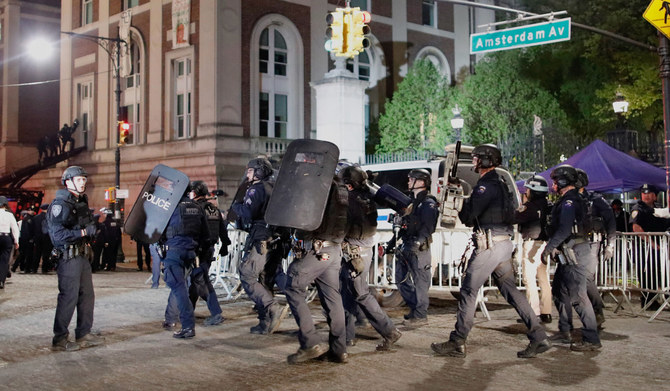
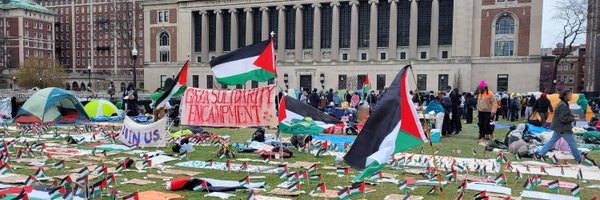
According to Columbia University Apartheid Divest (CUAD), a student-led activist coalition at Columbia University, students were punished for antiwar actions, including participation in the 2024 Gaza solidarity encampments and the peaceful occupation of Butler Library during final exams in May 2025. Some students now face multi-year suspensions, while others have been permanently expelled or had their academic degrees revoked.
“We will not be deterred,” said CUAD in a statement. “We are committed to the struggle for Palestinian liberation.”
Yet Columbia’s administration insists that student protests “disrupted academic activity,” a violation they say warranted severe consequences. But critics argue the real reason lies deeper: federal coercion, donor pressure, and an effort to appease the Trump administration.
The Trump-Columbia Nexus: Funding Over Freedom
The university’s crackdown follows the Trump administration’s decision to cut $400 million in federal funding, accusing Columbia of failing to protect Jewish students from harassment, a charge weaponized, many believe, to target pro-Palestinian activism under the guise of fighting antisemitism.
Columbia has since agreed to major changes demanded by Washington, including adopting a new definition of antisemitism and overhauling its student disciplinary procedures.
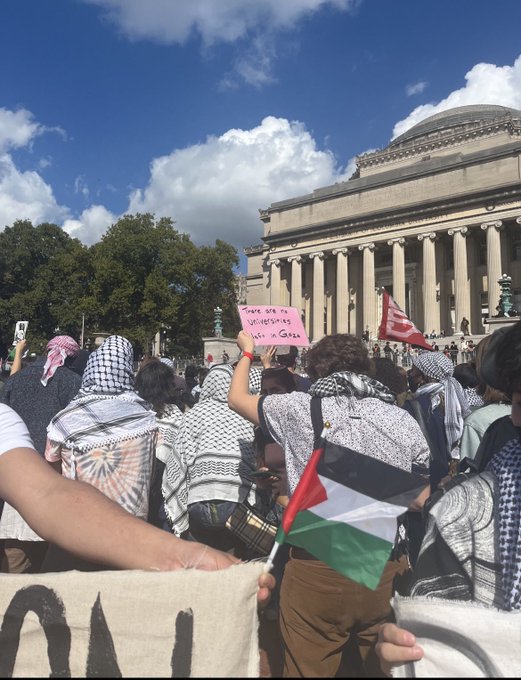
Acting university president Claire Shipman, a former trustee and broadcast journalist, was publicly booed by students during graduation for her role in suppressing protests. Her administration’s alignment with Trump’s agenda has drawn condemnation from students, faculty, and rights groups alike.
Meanwhile, fellow Ivy League school Harvard University has chosen to legally challenge the Trump administration over similar funding cuts, refusing to capitulate.
A Legacy of Resistance: Columbia and the Palestine Movement
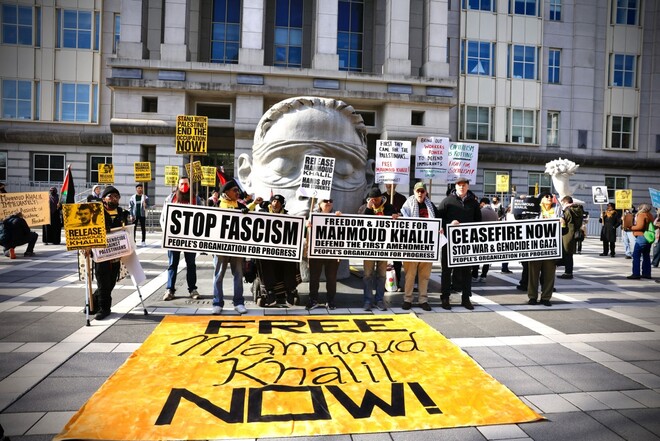
This is not the first time Columbia has made global headlines. In 2024, it became a symbol of resistance when students launched an encampment on campus in protest against Israel’s relentless bombardment of Gaza. Their message was clear: end U.S. complicity in Israeli war crimes. The movement inspired similar demonstrations across dozens of U.S. universities.
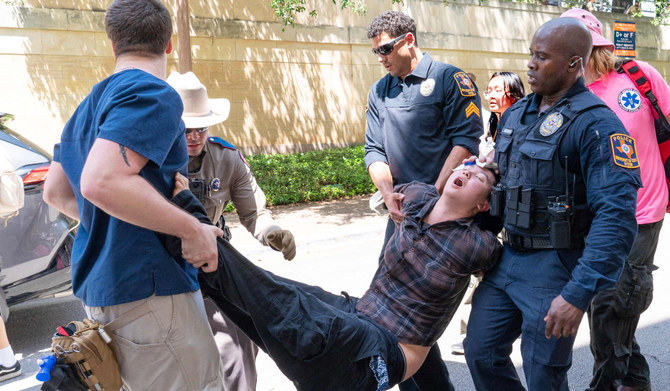
However, Columbia’s decision to invite New York City police onto campus, resulting in dozens of student arrests, marked a chilling escalation. It was one of the most severe actions taken by a U.S. academic institution in response to campus protest in recent memory.
Has this ever happened before in the United States, that students face expulsion, arrest, and surveillance for non-violent protest?
It is a moment many call unprecedented, raising urgent questions about academic independence, the politicization of higher education, and the future of civil liberties in America.
Gaza Burns. Washington Stays Silent.
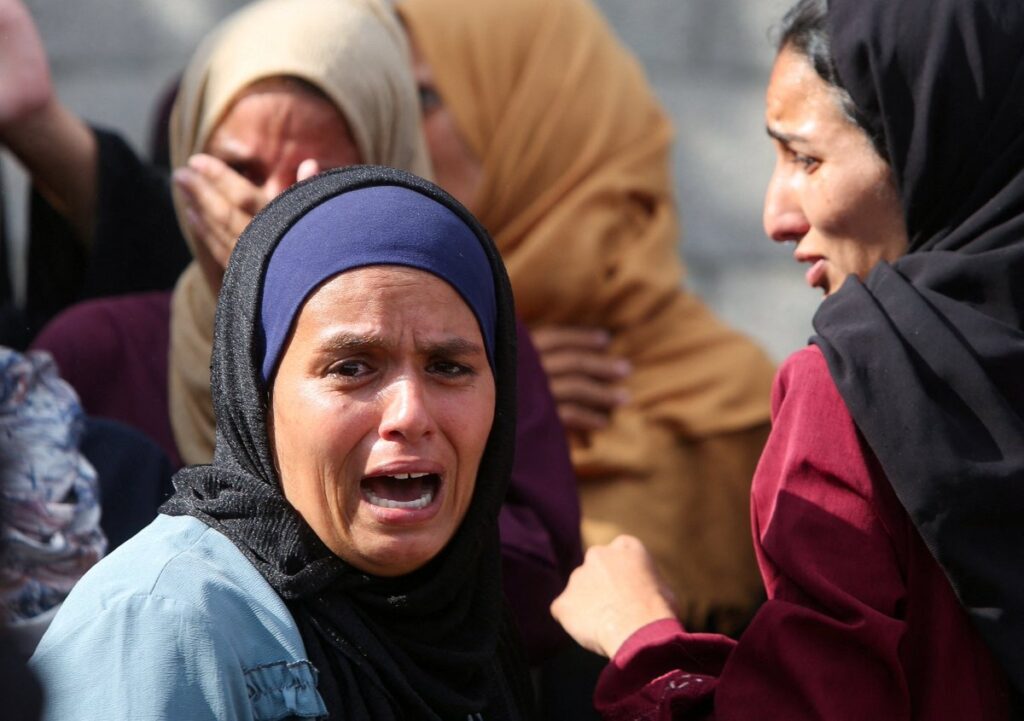
As Columbia punishes its students for demanding justice, Israel’s war on Gaza continues unabated. On the very day the university announced its final round of expulsions, 15 more Palestinians, including a six-week-old infant, died from starvation and malnutrition, a direct result of Israel’s blockade and bombing of aid sites.
Hospitals have been levelled. Schools flattened. Journalists, women, children, and the elderly were buried under rubble. The world has watched day after day, as Israel wages a war that UN experts and human rights groups increasingly describe as genocidal.
And yet, the United States remains complicit, not just through billions in military aid, but also through its silence. The so-called champions of human rights and free speech have chosen to punish their citizens rather than condemn the brutal killing of an occupied people.
Where are the Western values now?
Where is the outrage when children are bombed at school?
Where is the freedom when students are expelled for demanding it?
The Cost of Conscience
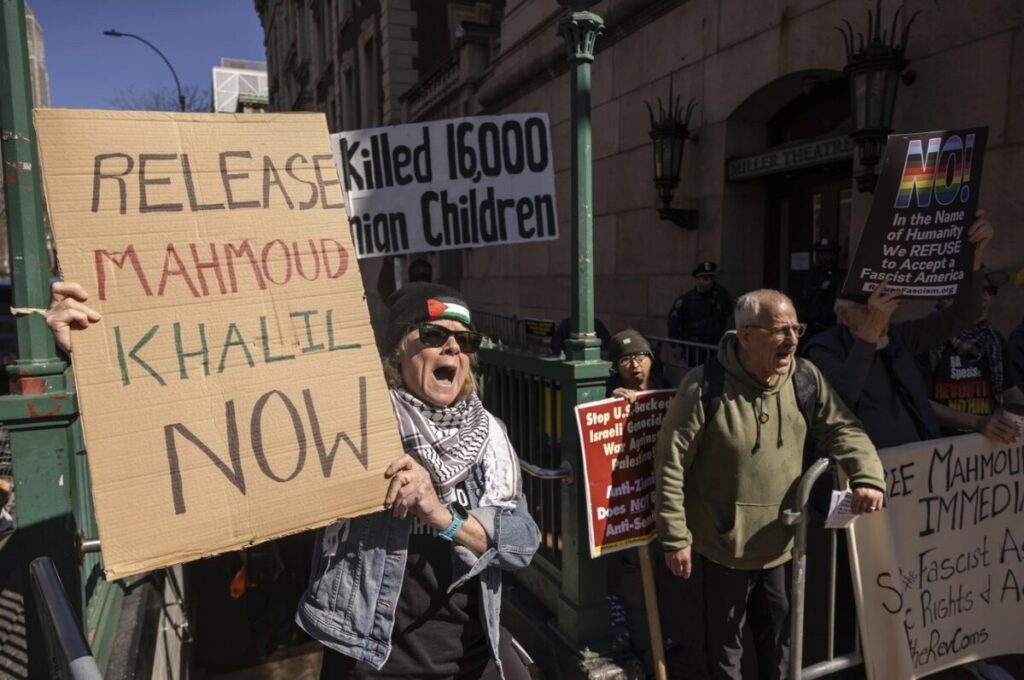
Columbia’s disciplinary action against protest leader Mahmoud Khalil, who was even targeted for deportation, shows the extent to which the U.S. government is willing to go to criminalize dissent. Released from immigration custody after widespread outcry, Khalil has since met with lawmakers in Washington to demand accountability.
His case is a powerful reminder: in today’s America, raising your voice for Palestine may cost you your education, your freedom, even your right to stay in the country.
Conclusion: Silence is the Real Crime
What began as a student protest for Gaza has become a mirror to America’s contradictions. Columbia University’s actions expose the moral hypocrisy at the heart of U.S. foreign and domestic policy, a nation that defends freedom in words but crushes it in practice. ST