She went from neuroscience to notoriety, from a promising future to a prison cell in Texas. But the truth about Aafia Siddiqui remains clouded by secrecy, politics, and a war that consumed more than just borders.
It defies logic for many: how could a frail, soft-spoken Pakistani woman, barely five feet tall, transform into a so-called “terrorist” capable of attacking two heavily armed American soldiers?
Dr. Aafia Siddiqui’s case, her arrest, and the staggering 86-year prison sentence handed down by a U.S. court have come to symbolize the darkest chapters of the post-9/11 global “War on Terror.” Her story is inextricably linked to America’s controversial counterterrorism campaign, one that saw thousands killed, countless others rendered, and many unjustly imprisoned or disappeared into black sites like Guantanamo Bay.
A Fragile Woman or a Manufactured Threat? The Story of Dr. Aafia Siddiqui
Born on March 2, 1972, in Karachi, Pakistan, Dr. Aafia Siddiqui hailed from a middle-class, devout Muslim family renowned for its emphasis on education and religious values. She memorized the Qur’an at a young age, and her upbringing blended Islamic teachings with academic ambition.
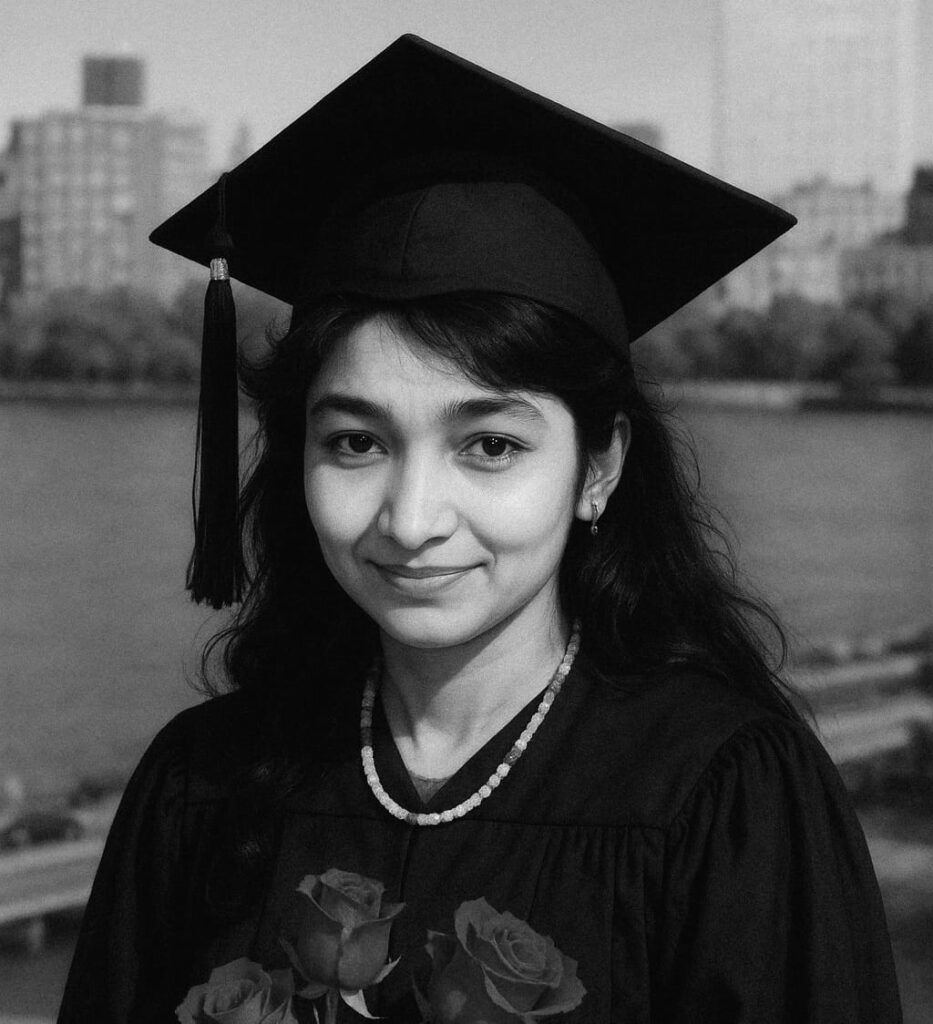
In the early 1990s, Aafia moved to the United States, where she rapidly ascended the academic ladder. She earned a Bachelor’s degree in Biology from the Massachusetts Institute of Technology (MIT) in 1995, a rare achievement for a Pakistani woman at the time. She then pursued and completed a Ph.D. in Neuroscience from Brandeis University in 2001.
But Aafia was more than a scientist. She was a deeply committed Muslim, active in Islamic charity work, and vocal in her support for Muslim causes, particularly the victims of war in Bosnia and Palestine. Her writings reflected a growing disillusionment with Western foreign policy and a call for Muslim unity and justice, stances that would later be used to paint her as radical.
Return to Pakistan – and Disappearance
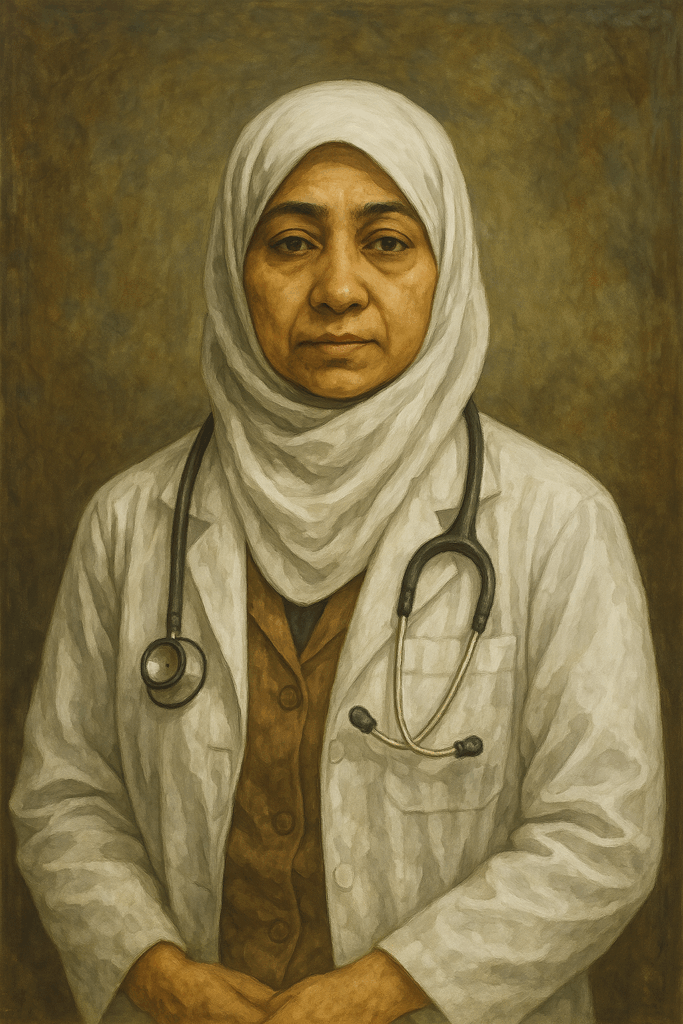
After 9/11, Aafia returned to Pakistan with her three children. But in March 2003, she mysteriously disappeared from Karachi. Her family alleged she was picked up by Pakistani intelligence at the behest of U.S. authorities. For five long years, her whereabouts were unknown.
During this period, unconfirmed reports and detainee testimonies emerged suggesting a veiled, Pakistani woman, known only as “Prisoner 650,” was being held and tortured at the U.S.-run Bagram Air Base in Afghanistan. Many believe it was Aafia.
British journalist Yvonne Ridley, citing former detainees, described chilling cries from a woman believed to be Aafia. “Her screams would haunt the hallways,” one prisoner recalled.
Family Life in Karachi: A House of Education and Faith
Dr. Aafia Siddiqui was born into a conservative, academically inclined, and religious family.
Her father, Muhammad Siddiqui, was a British-trained neurologist who worked at a reputable hospital in Karachi and spent time in the UK.
Mother: Ismet Siddiqui, a homemaker with a strong religious leaning, later became active in defending Aafia’s case and speaking to the media.
Siblings: Aafia is the youngest of three. Her sister, Dr. Fowzia Siddiqu, is also a trained neurologist and has been a tireless campaigner for her release.
The family belonged to Karachi’s upper-middle class, known for its mix of professional achievement and Islamic activism.
Schooling and Education in Karachi
Aafia began her early education at Bay View High School, a respected English-medium institution in Karachi.
She was never enrolled in a madrassa (religious seminary). Instead, she received a mainstream, Western-style education, supplemented by her family’s emphasis on Islamic teachings at home.
She was known as a quiet, bright student, excelling in science and religious studies alike.
Move to the U.S. and Continued Faith Practice
At around age 18, she moved to the United States for higher studies under a student visa. Despite living in the U.S. during her formative years, she remained devoutly religious, wore the hijab, and was active in Muslim Student Associations at MIT and later Brandeis. While in the U.S., she gave lectures on Islamic parenting, ran fundraisers for Bosnia and Palestine, and worked to counter anti-Muslim sentiment post-Gulf War
The Bagram Chapter: Ghost Prisoner or Terror Suspect?
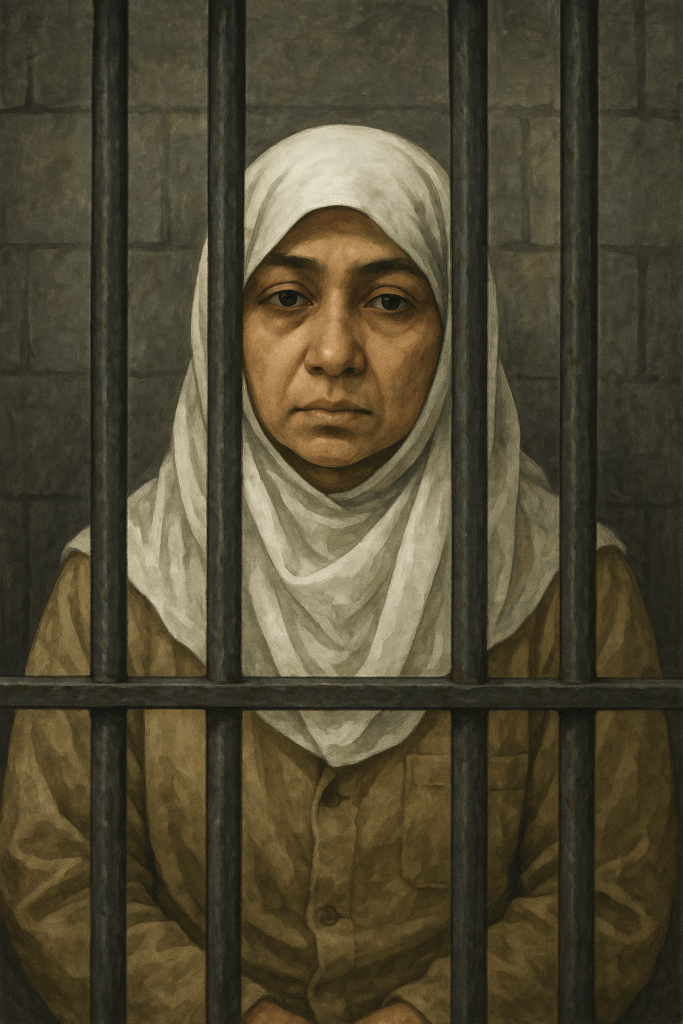
To this day, the U.S. government denies that Aafia Siddiqui was ever held at Bagram before her 2008 arrest. But evidence of her sudden reappearance in Ghazni, Afghanistan, raises deep suspicions.
According to U.S. officials, Afghan police arrested her near a government compound in July 2008, allegedly in possession of suspicious materials. During interrogation by U.S. troops, she is said to have grabbed a soldier’s rifle and opened fire, without injuring anyone.
Supporters question this narrative: Could a 5-foot, frail woman truly overpower trained U.S. military personnel? The incident remains clouded in doubt.
A Controversial Trial in New York
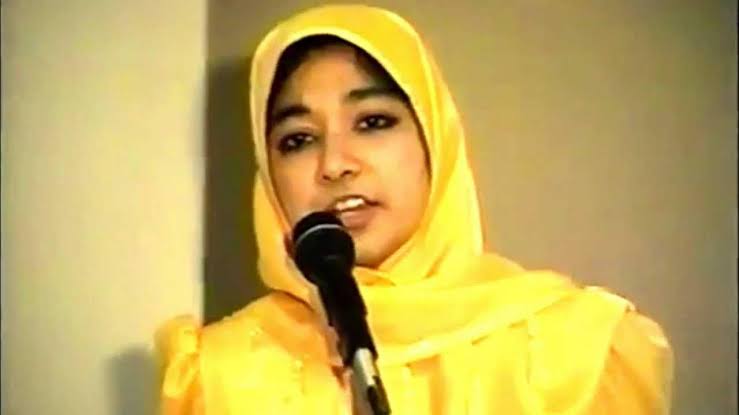
In 2010, Aafia was convicted in a U.S. federal court in New York, not for terrorism, but for attempted murder and assault of U.S. soldiers. She was sentenced to 86 years in prison, based solely on testimony and circumstantial evidence. No forensic proof, such as fingerprints on the weapon, was presented. She denied all charges.
Amnesty International and Human Rights Watch raised concerns about:
Her mental fitness to stand trial
Lack of access to consular services
Allegations of torture and prior detention
Critics argue the trial was a political theater, designed to validate the U.S. narrative in the post-9/11 security landscape.
Life Behind Bars in Texas
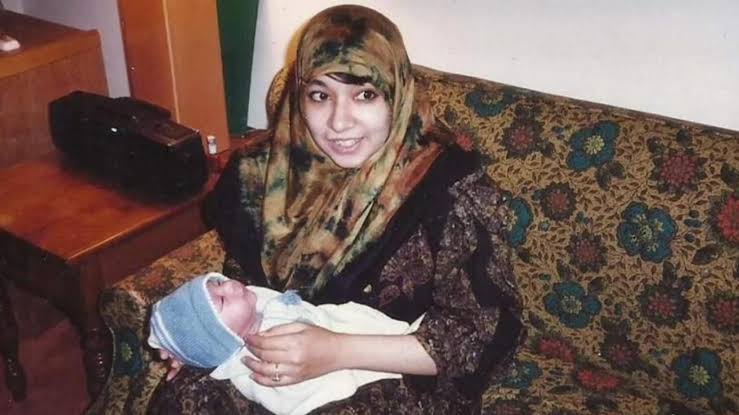
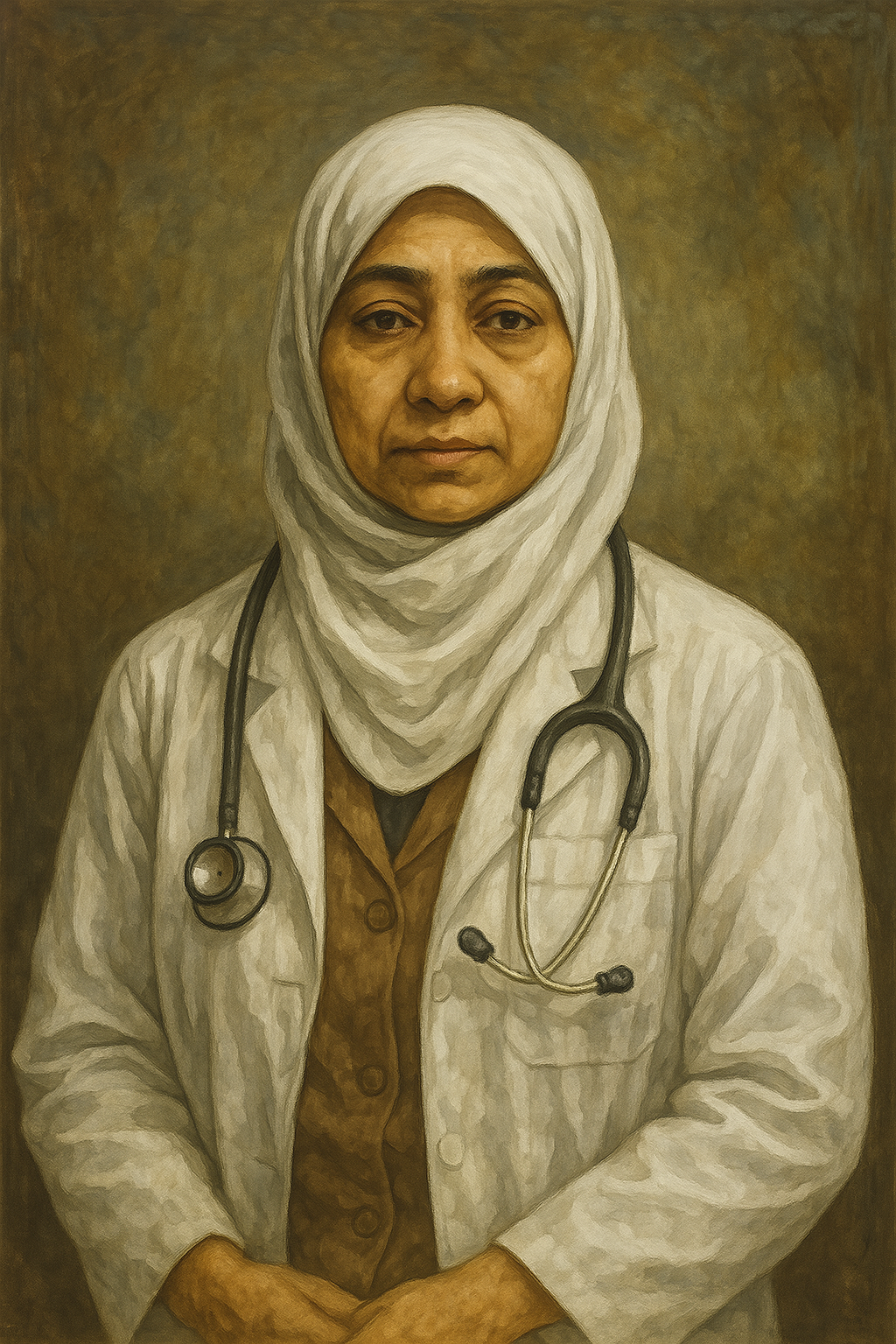
Dr. Siddiqui is currently imprisoned at the Federal Medical Center, Carswell, a facility for women with health issues in Fort Worth, Texas. Reports from her lawyers and family members suggest that:
She suffers from mental illness and trauma
She faces religious discrimination
She has limited access to legal counsel and visitors
Despite U.S. claims of humane treatment, Aafia has reportedly been assaulted by other inmates, denied an imam’s visitation, and deprived of proper medical care. She remains isolated, even after reuniting with her sister through a glass partition in 2023.
Diplomatic Attempts & Legal Dead Ends
Over the years, Pakistan’s governments have repeatedly requested her repatriation. Prime Ministers from Yousuf Raza Gilani to Shehbaz Sharif have written to U.S. presidents, seeking clemency.
In 2024, a formal clemency petition was filed with President Biden, citing medical and humanitarian grounds. Yet no progress has been made.
In July 2025, the Islamabad High Court issued contempt notices to the cabinet for failing to submit a plan for her repatriation, exposing the internal disinterest despite public outcry.
A Pawn in the War on Terror?
Aafia’s case is emblematic of the collateral damage inflicted during the U.S. “War on Terror.” A woman with no terrorist conviction is serving more time than many violent offenders.
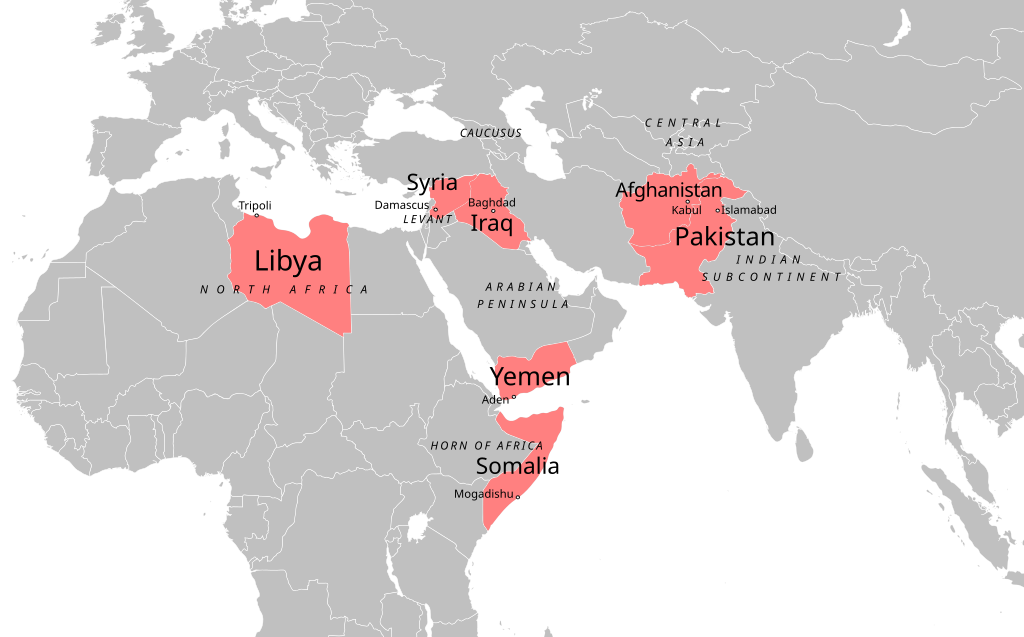
The U.S. claimed she was an “Al-Qaeda fixer.” But no charge of terrorism was ever proven in court. The media portrayed her as a threat, while the courtroom offered only shadows of evidence.
Was she a convenient scapegoat, framed in the fog of war? Or a victim of mistaken identity buried beneath layers of propaganda?
The Muslim Woman as the Ultimate Threat?
Aafia Siddiqui’s ordeal also raises uncomfortable questions. How did a woman, a mother, a scholar, become America’s “most dangerous woman”?
To many Muslims worldwide, her case represents:
A brutal indictment of U.S. hypocrisy
A test case of post-9/11 Islamophobia
A human tragedy ignored by global institutions
She has become a symbol of resistance, not because she fired a gun, but because she embodies how fear can override justice.
What Now? A Cry for Justice

The calls for her release grow louder. From the streets of Karachi to courtrooms in Islamabad, Dr. Aafia Siddiqui remains a national wound, festering in silence.
Her story is not over. But it is a test of America’s conscience, of Pakistan’s will, and of humanity’s ability to recognize the difference between justice and vengeance.
Closing Words
She dreamed of building schools. She ended up behind bars. Her only crime may have been her identity, a Muslim, a woman, and a voice that cared too much.
ST