
Daily pause in Israeli attacks opens limited aid corridors, but UN warns it’s “too little, too late” to prevent famine. Over 1,000 killed seeking food since May, as controversial airdrops resume.
Gaza: Israel’s newly declared “tactical pause” in military operations has done little to relieve the humanitarian catastrophe unfolding in Gaza, as the United Nations warns that the enclave remains on the brink of full-scale famine.
Aid Corridors Open, But Only 100 Trucks Enter Gaza
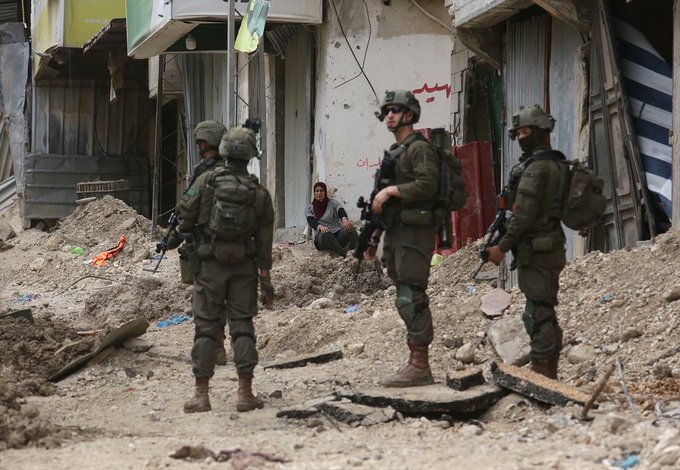
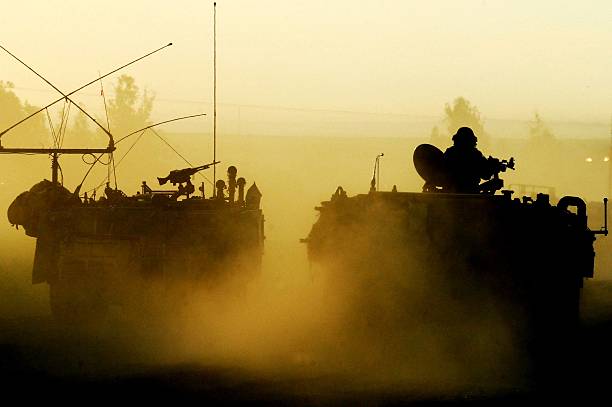
On Sunday, the Israeli military began a limited daily pause from 10 am to 8 pm in parts of central and northern Gaza, including Gaza City, Deir el-Balah, and al-Mawasi. The move was accompanied by the opening of aid corridors between 6 am and 11 pm, allowing the UN and aid agencies to collect and distribute food and medicine, measures Israel claims are designed to “enable humanitarian efforts.”
However, the international community has responded with skepticism and outrage. UN officials described the pause as “too little, too late,” with only 100 aid trucks entering Gaza yesterday, far short of the minimum daily need for a population of over 2 million. “Navigating Gaza is dangerous even during so-called pauses. Aid is insufficient, and the scale of need is overwhelming,” a UN representative said. “The situation remains catastrophic.”
Starvation Deaths Climb, Children Among the Victims
Since May alone, more than 1,000 Palestinians have died while trying to access food aid, killed either by Israeli forces or as a result of the chaos surrounding limited aid drops. Gaza’s Health Ministry confirmed that six more Palestinians, including children, died of hunger-related causes in the last 24 hours, pushing the death toll from starvation to at least 133 since October 2023.
Among the dead is five-month-old Zainab Abu Haleeb, who died of severe malnutrition after months in Nasser Hospital. Her parents said they had done everything to save her, but there was simply no nourishment left to give.
Airdrops Resume, Draw Sharp Criticism from Aid Workers
Meanwhile, Israel, Jordan, and the United Arab Emirates resumed controversial airdrops over the weekend. Although intended to supplement aid deliveries, the method has been widely criticized by humanitarian organizations as inefficient, expensive, and often hazardous. Aid groups have documented instances where parachuted supplies landed in inaccessible areas or caused stampedes among desperate civilians.
Declared Safe Zones Struck by Israeli Air Raids
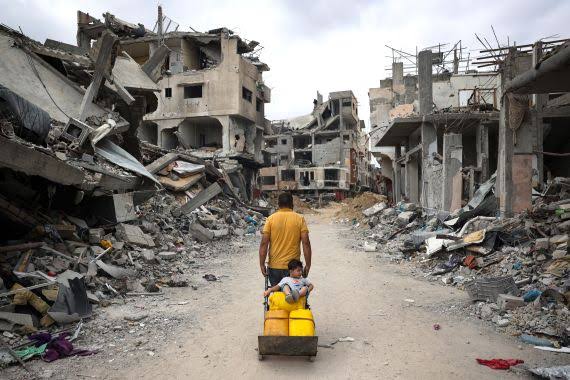
For Gaza’s civilians, the so-called “pause” has offered little real protection. Despite declarations of a halt to fire, Israeli airstrikes continued to hit areas designated as “safe,” including Gaza City. A bakery, one of the few remaining sources of food, was reportedly destroyed in a strike just hours after the pause began.
The broader context remains grim. Since Israel began its military campaign in October 2023, over 59,700 Palestinians have been killed and more than 144,000 injured. In Israel, the October 7 Hamas-led attacks killed 1,139 people, and more than 200 were taken captive.
Calls Grow for Accountability and Ceasefire
As the famine deepens and aid remains restricted, many humanitarian observers say the crisis is not just a consequence of war, but a result of deliberate policy. Gaza’s suffering, they argue, is being prolonged by siege and starvation tactics that amount to collective punishment, condemned by international law.
Diplomatic efforts to revive a two-state solution continue, with France and Saudi Arabia hosting talks in New York. But for the people of Gaza, promises of peace offer little consolation as hunger, grief, and bombardment define their daily reality.
Hamas rejects the two-state solution as defined by international diplomacy. While it has shown some tactical flexibility for a long-term ceasefire or interim arrangements, its ideological stance remains committed to the liberation of all Palestinian land and the dismantling of the Israeli state.
ST