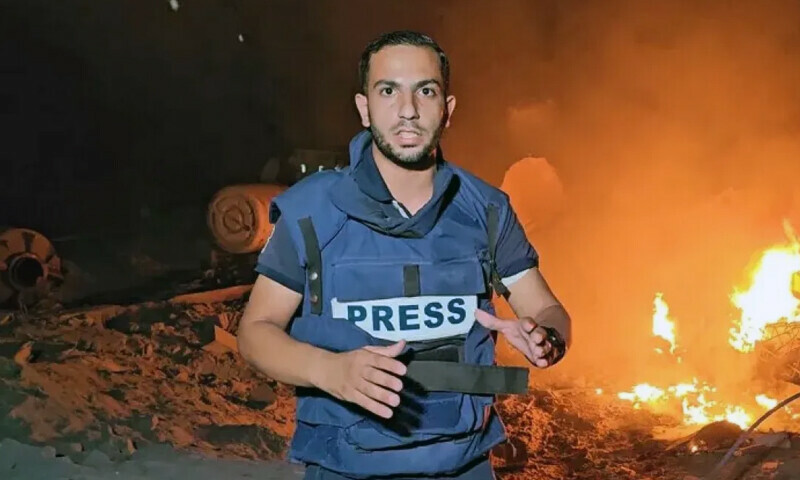
In Gaza, telling the truth can cost you your life. For journalists, the camera is both a shield and a target, and in recent months, Israel’s war has turned that target into a death sentence.
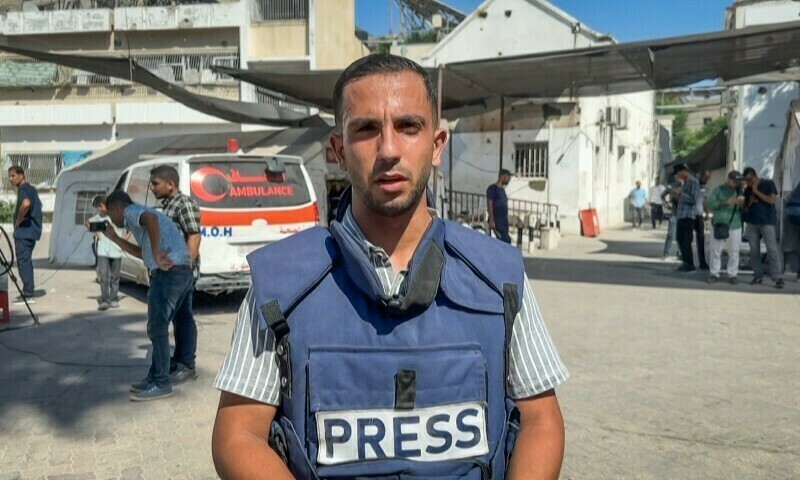
Hours before he died in an Israeli airstrike on Gaza, the veteran Al Jazeera correspondent Anas al-Sharif posted a haunting message on X:
“I endured pain in all its details… but I never hesitated to tell the truth without distortion, so that God bears witness against those who remained silent, those who approved of our killing, those who suffocated our breath.”
The reporter, whose live coverage exposed the scale of Israel’s war on Gaza, was killed alongside four colleagues in what media watchdogs call a deliberate attack to silence frontline voices.
Targeting the Truth
Al-Sharif had been reporting from Gaza since the October 2023 Israeli offensive began, well aware he was on Israel’s “hit list.” Moments before his death, he told a fellow journalist:
“I will never leave Gaza… only when I go up above! Even if they kill me.”
According to the Committee to Protect Journalists (CPJ), at least 186 journalists have been killed since the war erupted, the deadliest period for the profession since CPJ began keeping records in 1992.
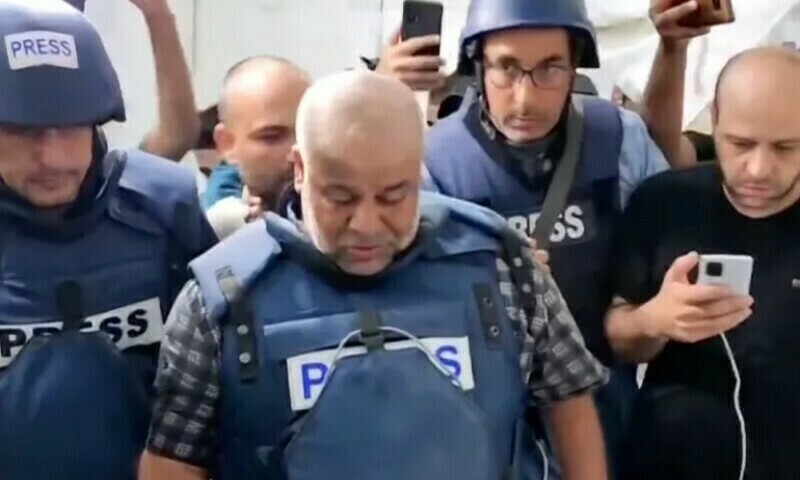
Israel’s military justified the strike by labeling al-Sharif a Hamas operative, an accusation repeatedly used against slain reporters. CPJ condemned the killings as “the murder of messengers.”
Reporting Hunger and Massacres
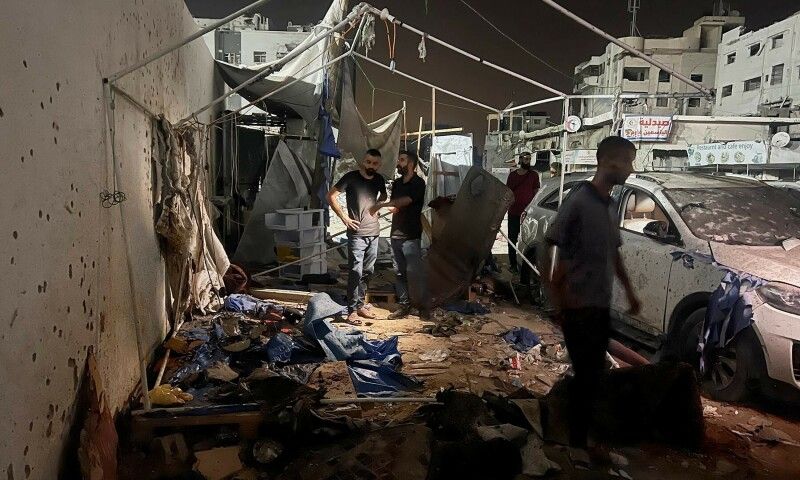
In his final assignments, al-Sharif documented how Israeli forces killed civilians waiting for aid and how famine was engulfing Gaza’s 2 million residents. Hundreds of children have died from hunger as Israel continues to block food and medical supplies.
UN Secretary-General António Guterres has described Gaza as “a slaughterhouse where civilians are trapped in an endless cycle of death.” Six UN agencies jointly appealed for urgent humanitarian access, but the blockade remains largely unbroken.
International Silence and Arab Inaction
Despite mounting evidence of war crimes, many Arab governments remain unwilling to confront Israel, even after the killing of journalists. Analysts say this silence encourages the continuation of atrocities.
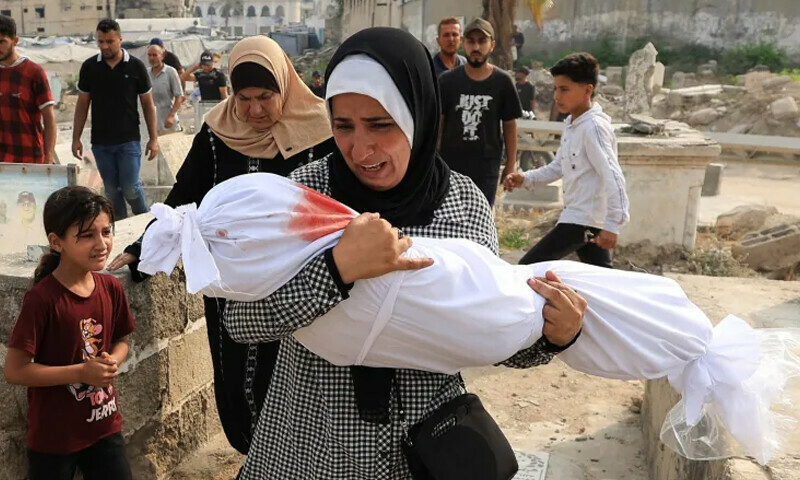
Israel’s far-right government has openly declared plans to permanently seize Gaza, effectively turning the enclave into a detention camp. Prime Minister Benjamin Netanyahu insists there is “no choice but to advance” as long as Hamas resists, a stance critics see as cover for annexation.
Global Repercussions of the Gaza Takeover Plan
UN officials warn that Netanyahu’s occupation plan could trigger “dangerous escalations” and worsen an already catastrophic humanitarian crisis.
Australia, Germany, Italy, New Zealand, and the UK have condemned the move as a breach of international law, but the US remains silent. Observers believe the plan has tacit approval from President Donald Trump, who earlier suggested emptying Gaza’s population to transform the area into a “Riviera.”
A Question of Will
When al-Sharif was killed in the Israeli airstrike, his death became the latest entry in what press freedom groups call the deadliest period for journalism in modern history. Al-Sharif’s unwavering coverage exposed mass civilian killings, aid site massacres, and a deepening famine in Gaza, stories that many believe Israel wanted buried with him.
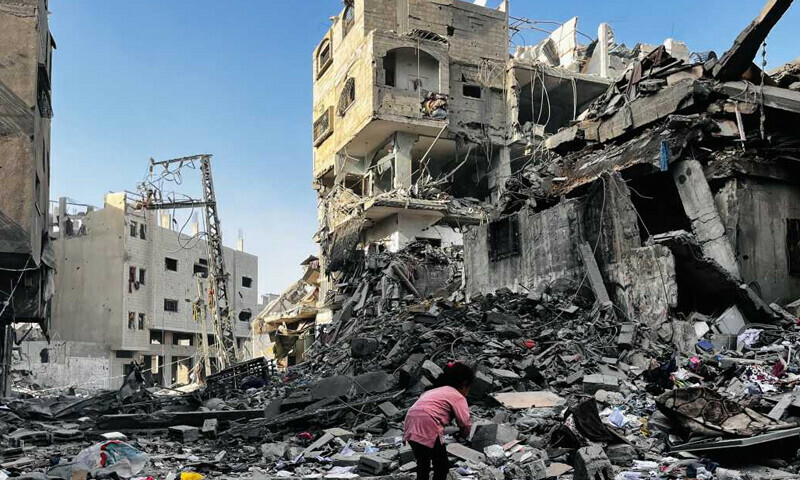
His killing, alongside other colleagues, has amplified accusations that the Israeli military is deliberately silencing the very voices documenting alleged war crimes, while much of the world watches in complicit silence.
The killing of Anas al-Sharif has intensified global outrage. Yet, the key question remains: will the international community take meaningful action to halt what rights groups increasingly call a genocide, or will the world continue to watch in silence as Gaza’s messengers are buried alongside their stories?