
By Sajjad Tarakzai
Four years after seizing Kabul, the Taliban have consolidated power, improved security, and kept markets functioning under sanctions. Yet Afghanistan faces international isolation, a ban on girls, and slow economic growth. This report examines the gains, challenges, and global reactions.
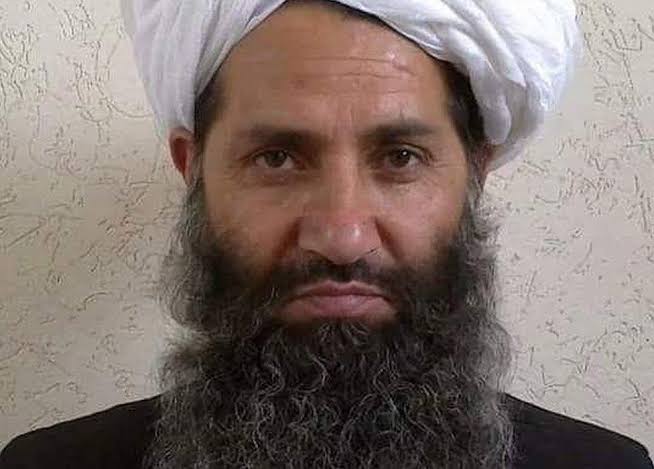
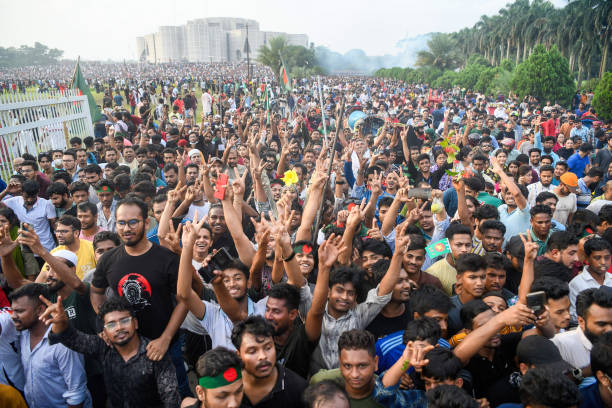
When the Taliban seized Kabul on August 15, 2021, many inside and outside Afghanistan predicted they would fail to govern and that the country would spiral into chaos. Four years later, the Islamic Emirate remains in power, security has largely improved, markets continue to operate despite sanctions, and the administration has maintained basic government functions.
Diplomatically, the Taliban government has engaged with countries across the world, including the United States, while pursuing regional connectivity projects with neighbours. Yet it still faces international isolation, an education ban on girls, and economic hardship.
This report examines where the Taliban have made headway and where challenges persist.
Diplomatic Recognition: One Ally, Many Talks
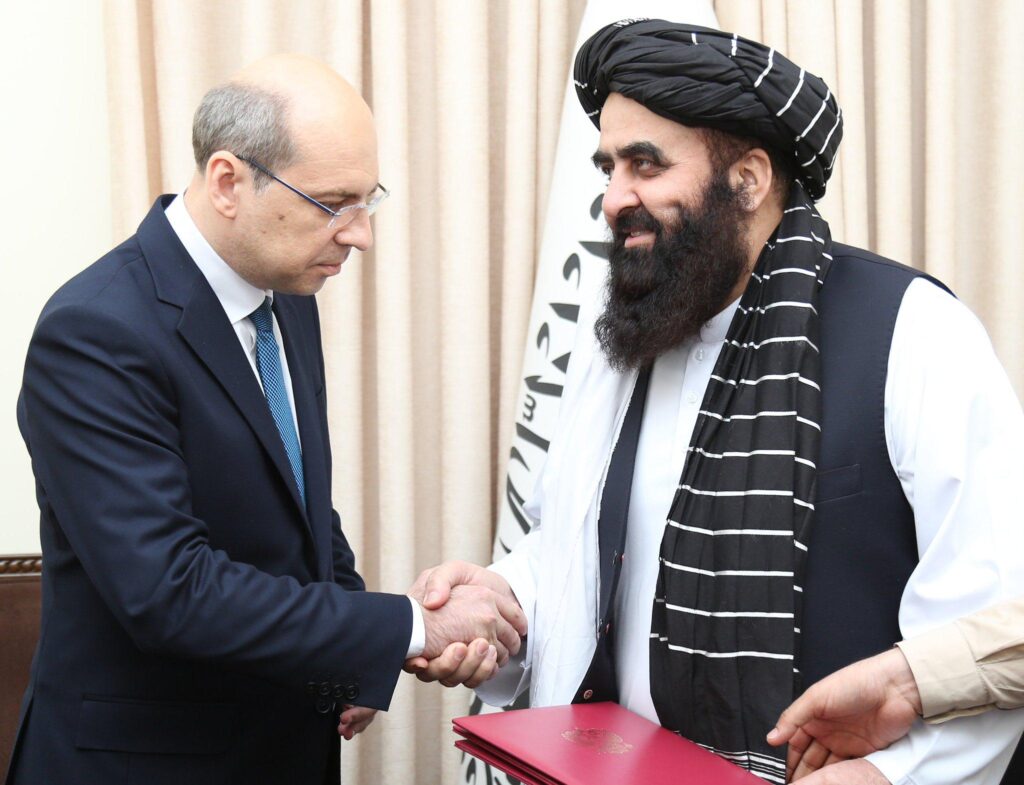
In four years, Russia has been the only country to officially recognise the Taliban government. No other state has granted formal recognition, but Taliban officials point out that they maintain diplomatic engagement with many nations, including Western powers, and take part in regional talks.
The former government’s representative still holds Afghanistan’s United Nations seat, and the Organisation of Islamic Cooperation (OIC) has not formally accepted Taliban representation, though Taliban officials attend OIC meetings as observers.
Unfinished Constitution and Legal Gaps
A promised permanent constitution remains unrealised. The commission set up in 2022 has yet to produce a draft. Taliban leaders sometimes describe the current Islamic system as their governing framework, but elements of the 2004 constitution still apply.
There has been discussion of reviving the 1964 constitution from King Zahir Shah’s era, with amendments, but no formal progress.
Women’s Education Ban
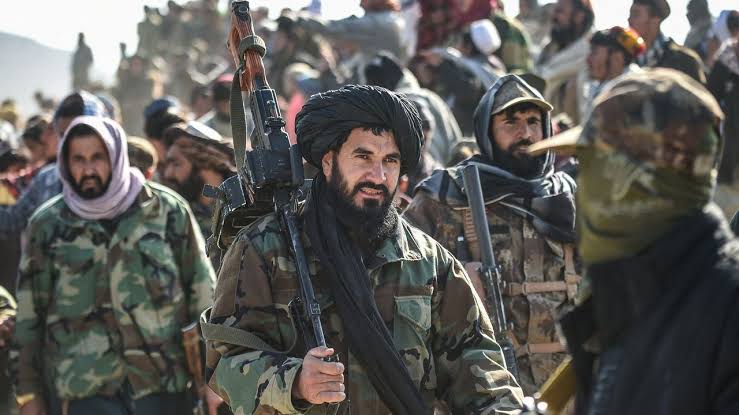
The ban on girls’ secondary and higher education — in place since the Taliban’s return — affects an estimated two million females. The leadership says the restriction is temporary, citing “technical issues,” but there is no timetable for reopening schools and universities to women.
Security and Counterterrorism
The Taliban have full territorial control, including border regions. Large-scale ISIL (ISIS) attacks have decreased sharply since 2021, though isolated incidents still occur, including recent operations against ISIS cells near Kabul.
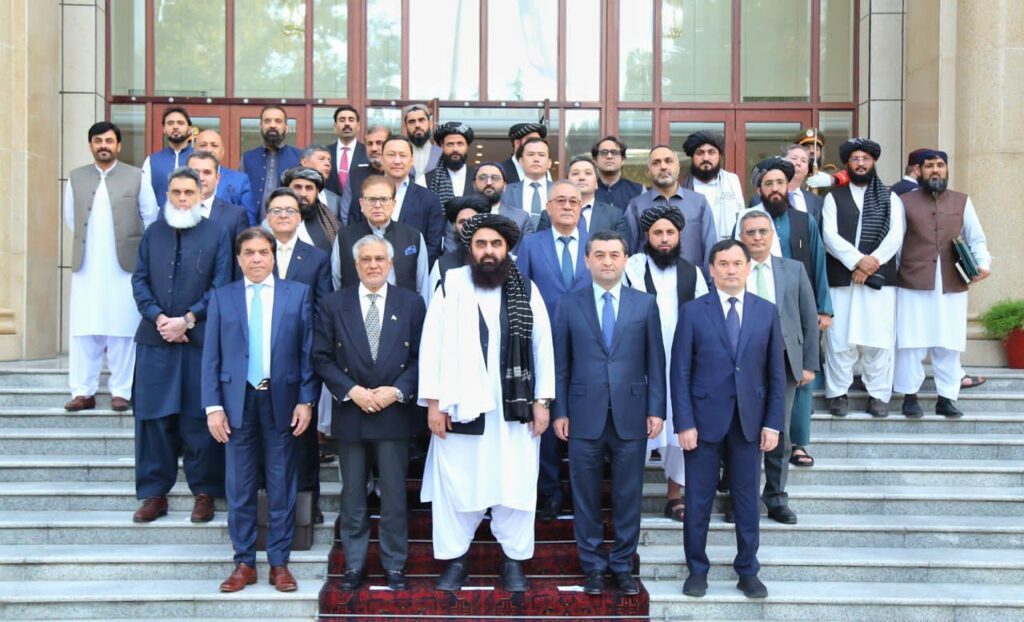
Despite occasional attacks on diplomatic sites, religious gatherings, and public spaces, overall security has improved significantly compared to the immediate post-takeover period.
Political Restrictions and Governance
Political parties remain banned, with the Taliban asserting that Western-style democracy is incompatible with their Islamic governance model. The administration is still interim, a factor analysts say hampers international recognition.
Calls for a broad-based government have been met with Taliban assurances that their cabinet is already inclusive — but critics argue it is composed almost entirely of Taliban members or allies.
Economic Stability Under Sanctions
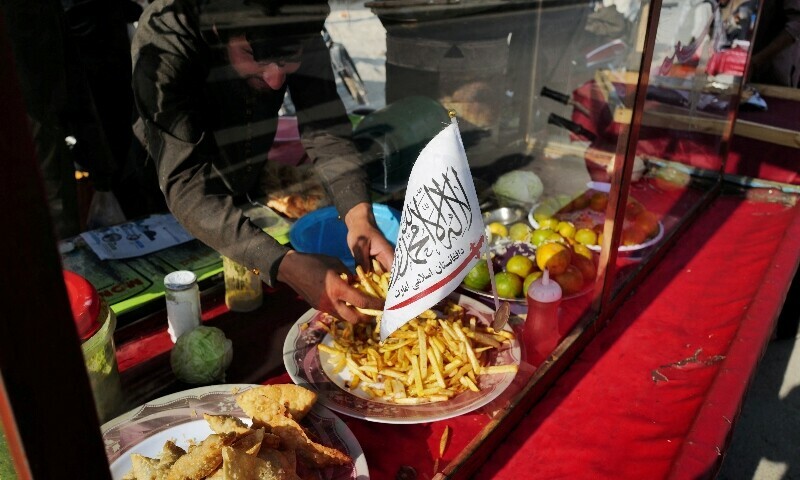
Despite sanctions and frozen assets, the Taliban have kept the Afghani currency stable. However, economic growth remains slow, unemployment is high, and aid flows have fallen sharply compared to the NATO era.
Taliban leaders point to new projects, such as infrastructure works in Herat, as evidence of progress, but many Afghans continue to face poverty and limited opportunities.
Observers report a notable reduction in corruption since 2021. The once-powerful warlords, who dominated Afghan politics for decades, have largely been sidelined.
Four Years On: Stability and Stalemates
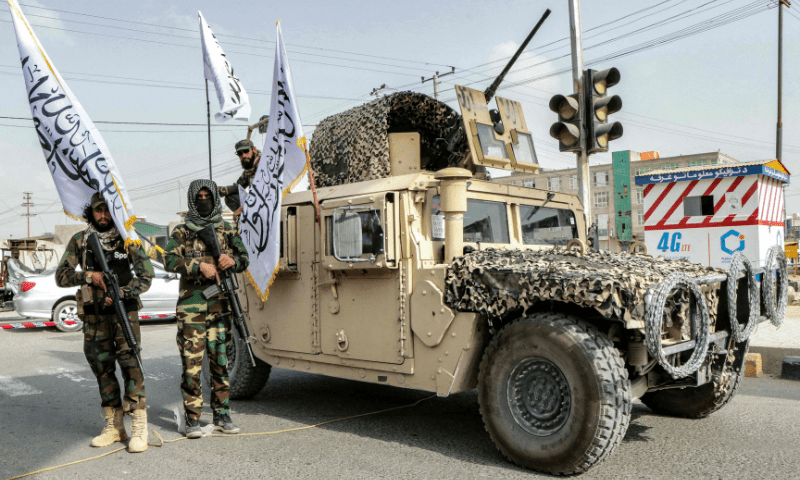
The Taliban have consolidated power and ensured a level of stability many doubted they could achieve. But they also face persistent criticism over human rights, lack of political pluralism, and international isolation.
For Afghans, the daily reality is a blend of improved security and enduring restrictions — a mix that will define whether the Islamic Emirate can transition from survival to long-term governance.
Afghan Refugees
Afghanistan’s refugee crisis remains among the world’s largest, with about 2.6 million registered Afghans living abroad, most in Iran and Pakistan. Inside the country, an additional 3.5 million people are displaced by conflict and economic collapse.
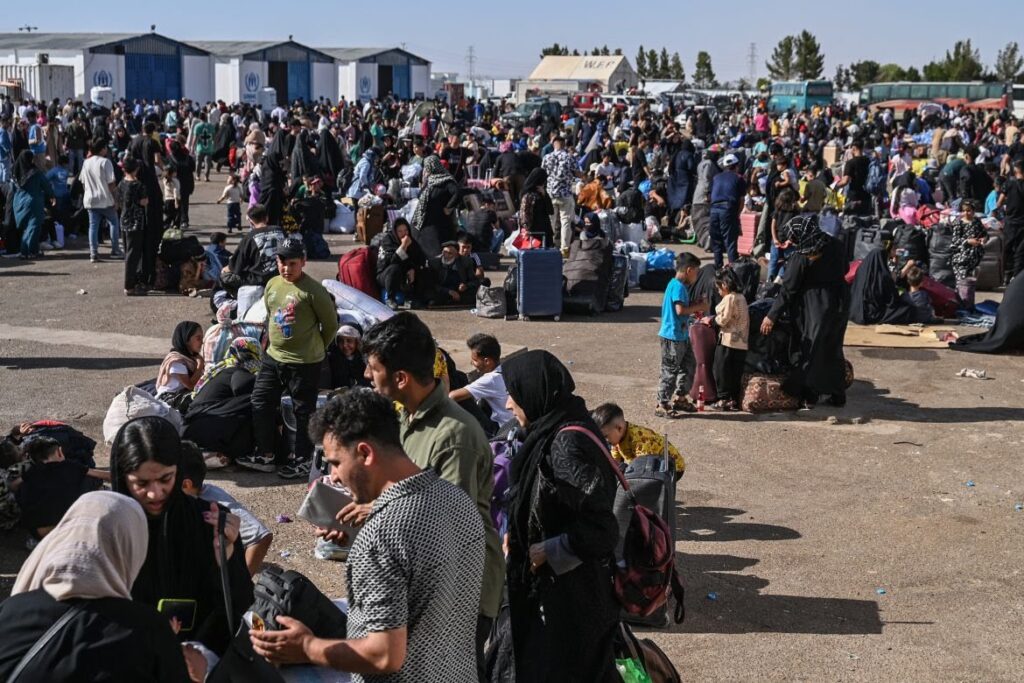
In recent months, both Iran and Pakistan have intensified deportations, sending back hundreds of thousands, including many long-term residents. Pakistan alone hosts 1.4 million registered refugees under Proof of Residence cards, but more than a million have already been returned in 2025. The UN warns that reintegrating these returnees, the majority of them children, into an economy under sanctions and aid cuts will be a major test for the Taliban administration.
Conclusion:
Four years after their return to power, the Taliban have defied predictions of immediate collapse, delivering a measure of stability and security unseen in decades. Yet this stability comes at the cost of political freedoms, women’s rights, and international legitimacy.
While the administration has maintained basic governance under sanctions and avoided large-scale conflict, it remains isolated on the world stage and burdened by economic stagnation and a deepening refugee crisis. For millions of Afghans, life under the Islamic Emirate is a paradox: safer streets and fewer warlords, but also shuttered classrooms, restricted voices, and an uncertain future in a country still searching for its place in the global order.
ST